
The Diary Of A CEO with Steven Bartlett
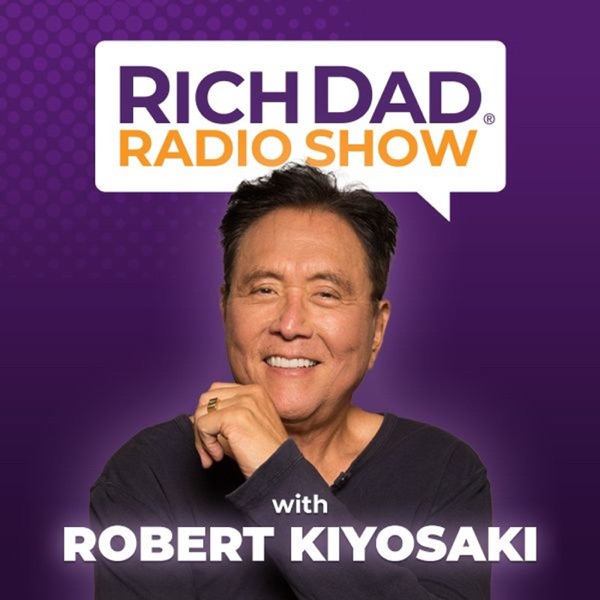
As markets plunged, Robert Kiyosaki and Kim were closing on a 300-unit apartment building in Tulsa for $17 million—while TV experts urged viewers to stay the course. In this episode, Kiyosaki uses that contrast to lay out five money moves: rethink the security of jobs and savings, turn paychecks into assets, distinguish borrowing for cash-flowing investments from borrowing for consumption, and question advice from people paid to sell financial products. He also tells the story of how a private-investment deal opened his eyes to who gets access to what he calls the "best investments." The episode challenges familiar ideas about financial safety—and makes a clear case for why its advice may not suit everyone.
As markets plunged, Robert Kiyosaki and Kim were closing on a 300-unit apartment building in Tulsa for $17 million—while TV experts urged viewers to stay the course. In this episode, Kiyosaki uses that contrast to lay out five money moves: rethink the security of jobs and savings, turn paychecks into assets, distinguish borrowing for cash-flowing investments from borrowing for consumption, and question advice from people paid to sell financial products. He also tells the story of how a private-investment deal opened his eyes to who gets access to what he calls the "best investments." The episode challenges familiar ideas about financial safety—and makes a clear case for why its advice may not suit everyone.
As markets plunged, Robert Kiyosaki and Kim were closing on a 300-unit apartment building in Tulsa for $17 million—while TV experts urged viewers to stay the course. In this episode, Kiyosaki uses that contrast to lay out five money moves: rethink the security of jobs and savings, turn paychecks into assets, distinguish borrowing for cash-flowing investments from borrowing for consumption, and question advice from people paid to sell financial products. He also tells the story of how a private-investment deal opened his eyes to who gets access to what he calls the "best investments." The episode challenges familiar ideas about financial safety—and makes a clear case for why its advice may not suit everyone.
Robert Kiyosaki says his 58-foot sailboat and private jet earn their keep by being rented out—and uses them to explain his provocative claim that more debt can help you escape debt. In this episode, he contrasts loans paid from your own paycheck with borrowing to buy assets whose customers generate the cash to repay them. He also walks through a stock-options example, describes how crypto lending and staking can produce yield, and warns that leverage can wipe you out just as quickly as it can build wealth. His bottom line: learn first, start small, and know exactly who's paying.
Understanding financial education vs financial advice starts with one critical distinction: advice tells you what someone else thinks you should do, while education helps you develop the knowledge to make your own decisions. In this episode of The Rich Dad Radio Show, Robert Kiyosaki and Kim Kiyosaki sit down with Rich Dad advisor Andy Tanner and former Wall Street executive and author Nomi Prins to examine what investors need to understand about markets, central banks, risk, and their own financial future. Nomi explains how central bank policies have shaped financial markets and why she believes the actions of the Federal Reserve and other central banks have created a growing disconnect between Wall Street and the real economy. Andy brings that discussion directly to investors. When markets rise for years, it's easy to believe that buying, holding, and waiting will always work. But Andy argues that financially educated investors don't simply prepare for markets to go up. They learn how markets work,…
In 1971, an ounce of gold cost $35; in this episode, Rich Bontrager and Priority Gold's Michael Klaus compare that with a price of roughly $4,100 and examine what the shift says about the dollar's buying power. They discuss why central banks are adding gold, silver's industrial demand—from solar panels to computer chips—and claims of a multiyear silver supply deficit. Klaus also explains how a precious-metals IRA rollover works and what investors should consider before moving retirement funds. A pointed conversation about the case for hard assets—and the numbers and forecasts behind it. Nobody is coming to save your retirement. Rich Dad's Robert Kiyosaki has been saying the same thing for 30 years. Get out of paper. Get into real assets. Stop trusting a system that was never built to make you wealthy. Most people agree. Very few know what to do about it. That's why Priority Gold is offering U.S. residents a FREE Rich Dad Kit with 3 guides to help you understand your options to shield your wealth and…
Real estate investing during uncertain markets requires investors to understand more than property prices. Market selection, debt, taxes, cash flow, economic trends, and the people on your team can all affect whether an opportunity makes financial sense. In this episode of The Rich Dad Radio Show, Robert Kiyosaki and Kim Kiyosaki join tax strategist Tom Wheelwright and real estate investor Jason Hartman to discuss how financially educated investors approach real estate when markets are changing. Robert challenges the conventional reaction to uncertainty: waiting on the sidelines until everything feels safe. He argues that changing markets can create opportunities, but only for investors who understand what they are buying, why they are buying it, and the risks involved. Jason explains what he looks for in real estate markets, including cash-flow potential, affordability, business and landlord environments, demographics, and economic growth. He also discusses diversification across markets and why investors…